
The issue most people face before coming to their headshot or portrait session is not just “what to wear”, but the anxiety this question brings with it.
This quickly spirals into “I’m not photogenic enough”, “I don’t know how to sit” and the universal “I hate having my picture taken”.
So before I even start writing about what to wear for headshots, I want to take a moment and talk about enclothed cognition.
(If you want to save this styling guide for later, you can download it as a PDF below.)
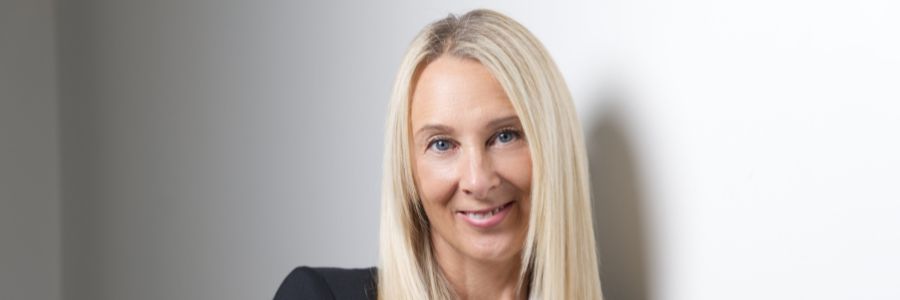
How you dress impacts how you feel
It’s a fascinating theory. A 2012 study was done on 58 undergraduates at a university in the United States, who were prompted to wear lab coats or casual clothes, then went through a series of tests. The measured attentiveness and carefulness were higher in those wearing the coat as opposed to the others.
Also, attentiveness didn’t increase when the coat was associated with a painter’s coat, only when it was worn as a doctor’s lab coat, meaning enclothed cognition also depends on the symbolic meaning of the garment.
In more recent years, there have been other theories which try to explain the correlation between clothes and mood.
If you’ve never heard of fashion psychology, you might want to search the name Dawnn Karen and her Repetitious Wardrobe Complex and Mood Enhancement Theory. Both talk about the buyer psychology behind purchases and how one can boost productivity while the other can boost your mood.
Dr. Karen also suggests going off autopilot when it comes to choosing what clothes to wear everyday and instead ask yourself “How am I feeling today?”. Or better said, styling from the inside out. Have a listen to the video below.
So to lower that anxiety when it comes to being in front of the camera, choosing the right clothes is essential.
The purpose of a headshot
If we’re talking about what to wear for actors’ headshots, business portraits, or LinkedIn profile pictures, we need to ask the question “What purpose do the photos have?”.
Actors need to stand out from a pool of potential candidates. Their faces need to jump out of the screen and make the creative directors want to audition them. Their whole selves need to have a sense of energy and make others believe they can play the part.
If we’re talking about what to wear for a LinkedIn headshot, the purpose of such a photo is to show someone is capable, friendly, approachable, confident. It’s less about the characteristics of the face itself and more about the attitude and personality.
Corporate headshots are similar to LinkedIn ones, sometimes with more focus on expressing authority and high-level professionalism. In terms of styling, depending on the business, they can have more defined rules and expectations.
Regardless of the purpose, you need to inspire trust. Your face, body and how you present yourself, all contribute to that first digital impression.
Your headshot session is a performance and you are the leading actor.
Some golden rules about clothing in portraiture
A camera sees things differently than the human eye.
And I don’t mean it adds 10 lbs to your face (although with the right lenses and angle it can do that too).
Here’s what you need to pay attention to:
- How clothes fit: baggy clothes will make you look sloppy, well-tailored shirts will look neater and more pleasing. Order, not chaos.
- How clothes sit: wrinkles are caught on camera quite quickly, so if you’re commuting to your photoshoot, bring clothes on hangers, already ironed and/or steamed.
- How complex your clothes are: we all know Keep It Simple Sir, so when it comes to clothes, do not go wild. No loud patterns or stripes, distracting logos (they even go out of date) or bright colours.
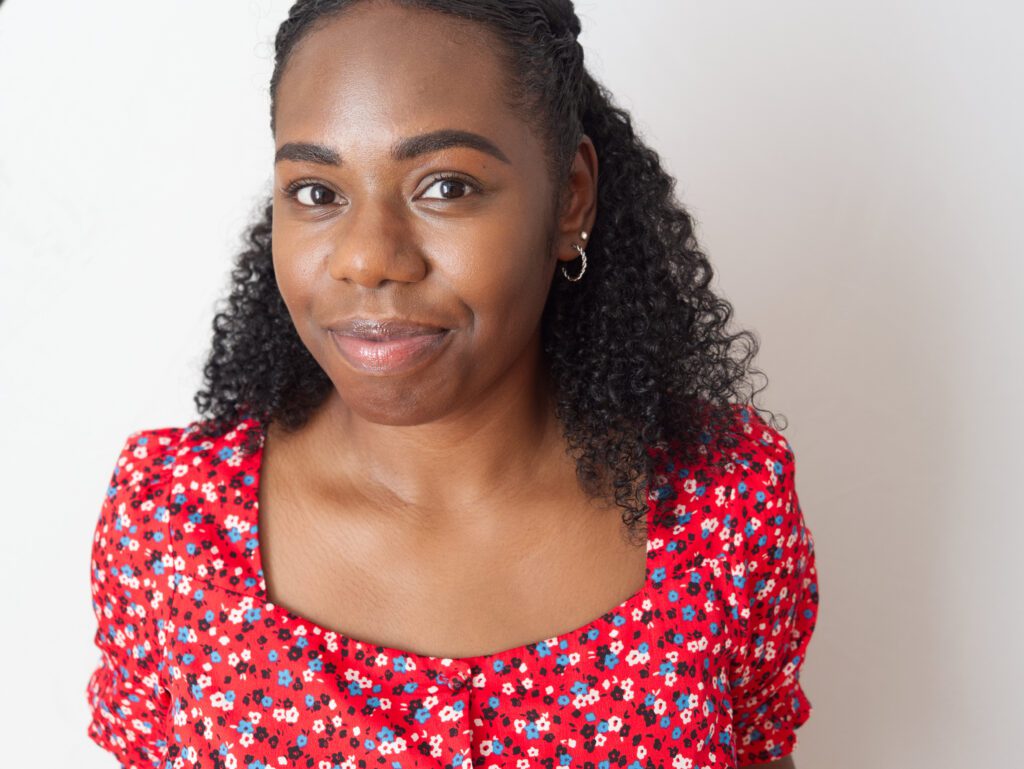
I would also add another note here, although this might just be my opinion and not something that is generally recommended: dress in clothes you already own. They are familiar to you, they are your BFFs, they’ve been with you through highs and lows. No matter the narrative, you’ll save some money, avoid panic buying beforehand and buyer’s regret afterwards. Triple win!
You are not a neon sign screaming “Look at me!”
Choosing your clothes colours for a photoshoot
Photographers work with light, but colours please the eye of the viewer. Taking a portrait is a handshake between these two elements.
Colours aren’t just aesthetic; they are psychological.
They can be used in harmony or in contrast to tell a story.
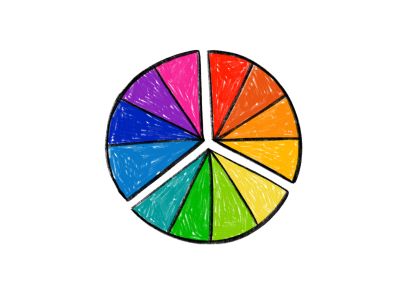
Colours sitting opposite each other on the colour wheel are called complementary, while the ones next to each other are called analogous.
- Complementary colours talk about energy and impact. They can be used to make a subject stand out from the background, so don’t be afraid to ask the photographer what background colours they have so that you can dress accordingly.
- Analogous colours have a muted, calming effect. They can bring elements together without them competing for attention.
Adobe has created a neat interactive tool that will generate a colour palette for you based on the criteria that you input.
For more about colour theory, this article talks about the most common colours, what they mean and their associations.
And to get even more specific, here are some ideas of what colour works best for what headshot mood you want to go for:
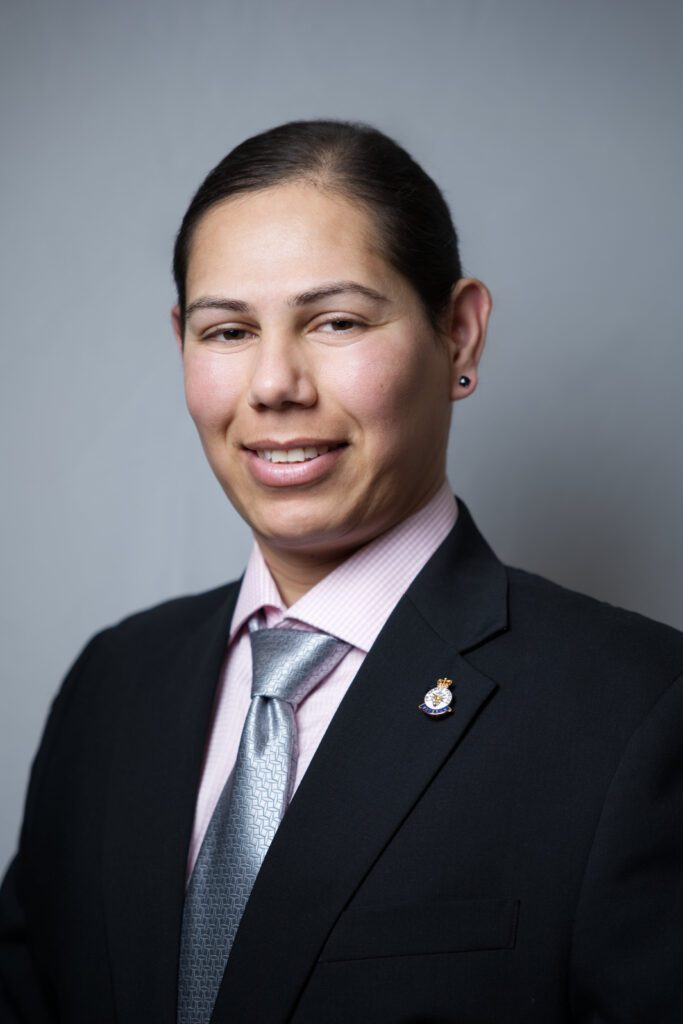
- Navy blue or charcoal – they signal “trust”. Corporate, legal and financial sectors headshots often showcase these as their main palette. They give a feeling of stability and authority.
- The so-called “jewel tones” – emerald, sapphire, ruby or teal. They add luxury, drama and warmth. They work well with most skin tones and can be paired with neutral colours (white, cream, grey, black) or metallics (gold, brass, copper).
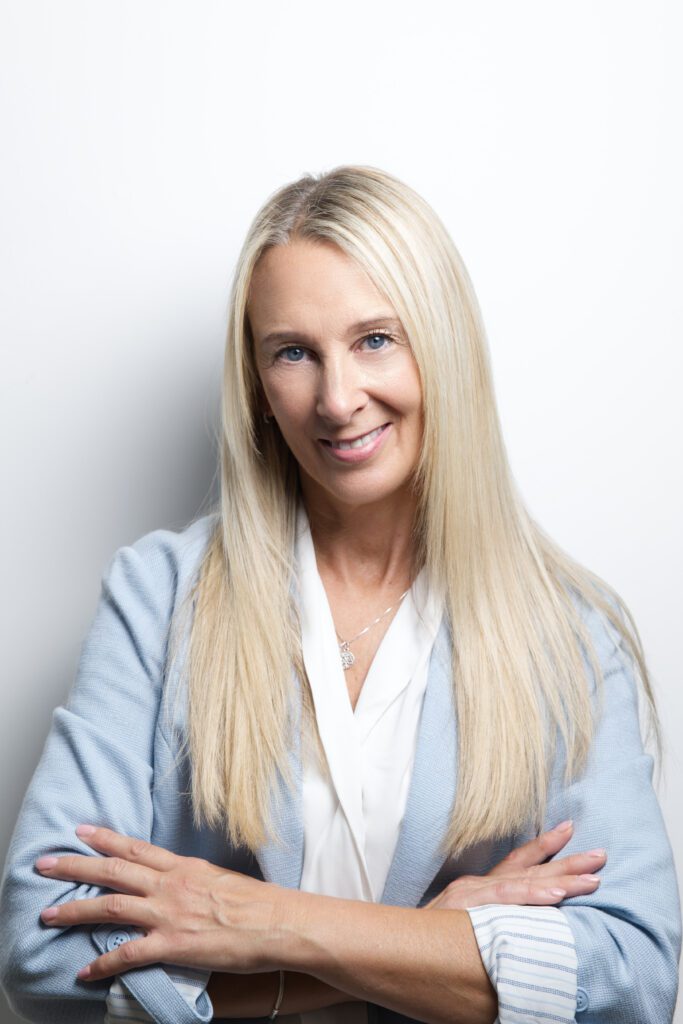
- Pastel colours – they express calm, softness or nostalgia. They are most commonly used by therapists, teachers or coaches. Think of baby pink, lavender, peach or baby blue.
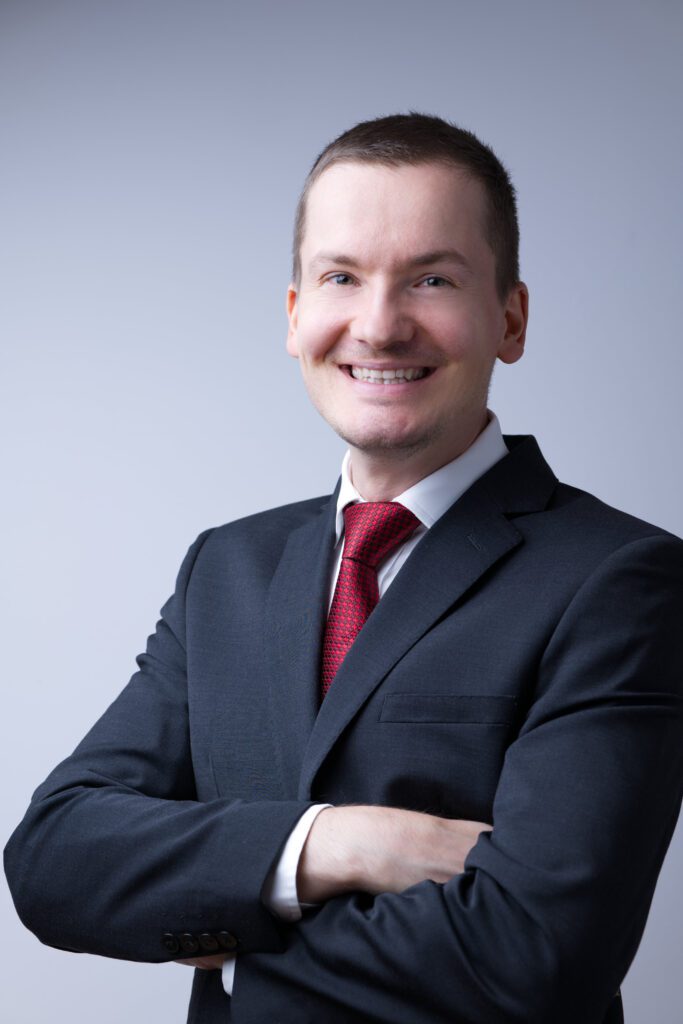
Should you wear white or black for your headshots?
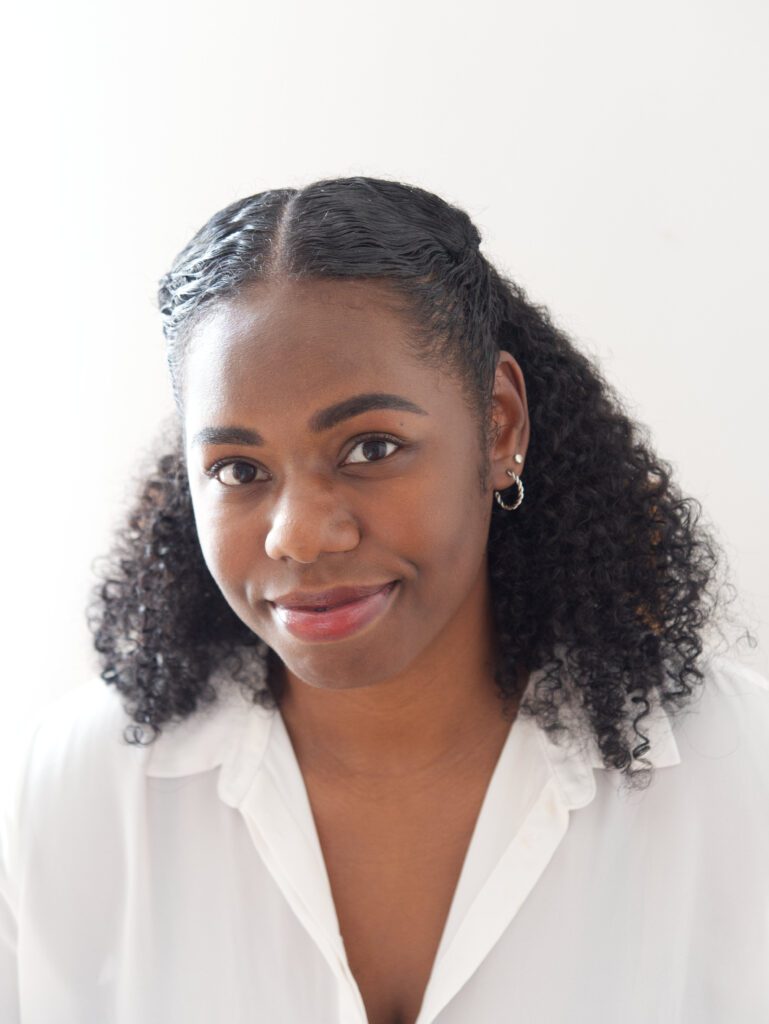
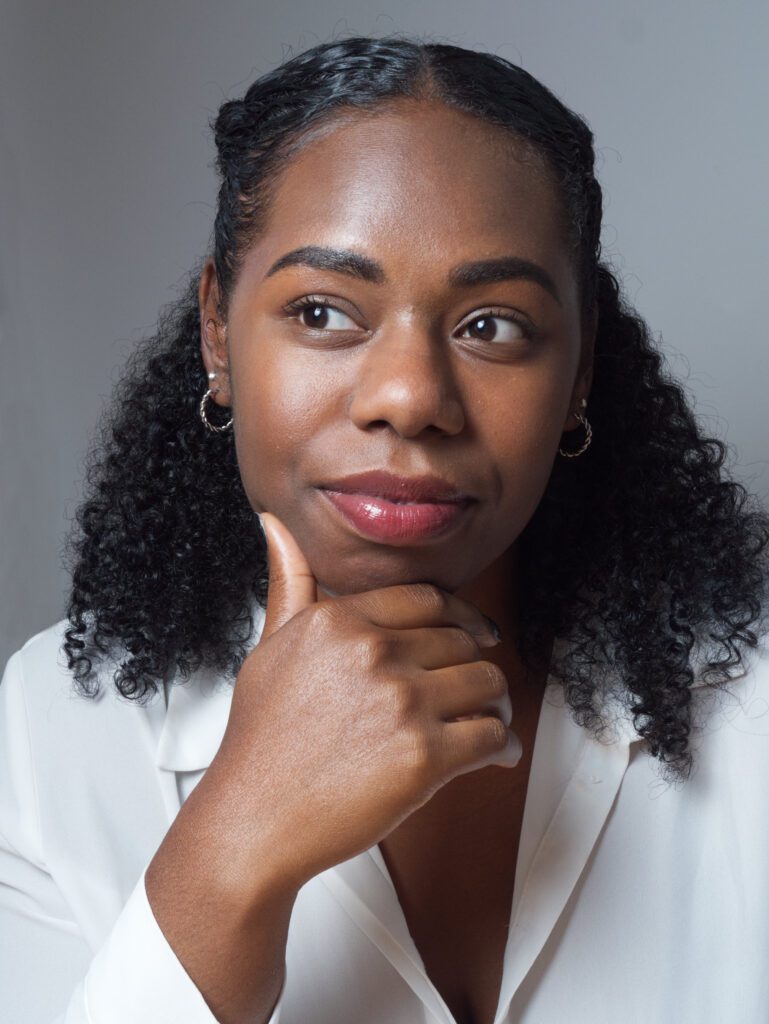
They wouldn’t be my first choice. White can easily lose detail and black doesn’t have too much detail to begin with.
But if you must, try layering or using white in partnership with other colours and if black is your choice, make sure it brings some texture as well, like a knit or wool, to catch the light and not look too flat. Also, wearing white on a white background or black on a black background is not a good idea, so check with your photographer beforehand.
What types of clothes to bring for your headshots
You should be dressing for the industry you are in, while also taking into account your own personality and wardrobe availability.
Here’s a rough outline and examples for you to use as inspiration:
Industry | Clothing choice | Why |
Creative/Arts | Trendy, accessible. Layers or textures. Solid colours, can be bold. | Shows personality and eye for details and design. |
Traditional/corporate | Suit, blazer, tie, tailored dress or trousers. Formal attire usually. | Shows authority, professionalism. |
Entrepreneurs/Tech | Smart casual look – denim, t-shirt or blouse with blazer, Oxford shirt, chinos | Suggests innovation, agility of thought. |
Note: dating profile pictures | Casual, everyday clothing that you are comfortable in and that fits well. T-shirt and denim for example. How do you look on your best day? | It’s all about authenticity. Don’t be someone you are not. |
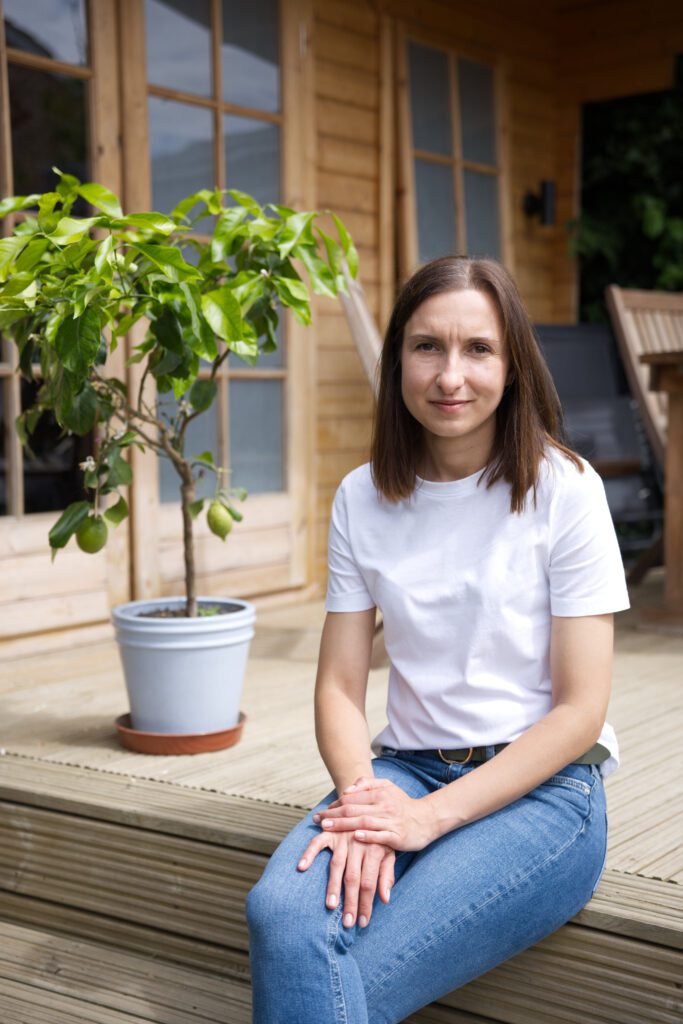
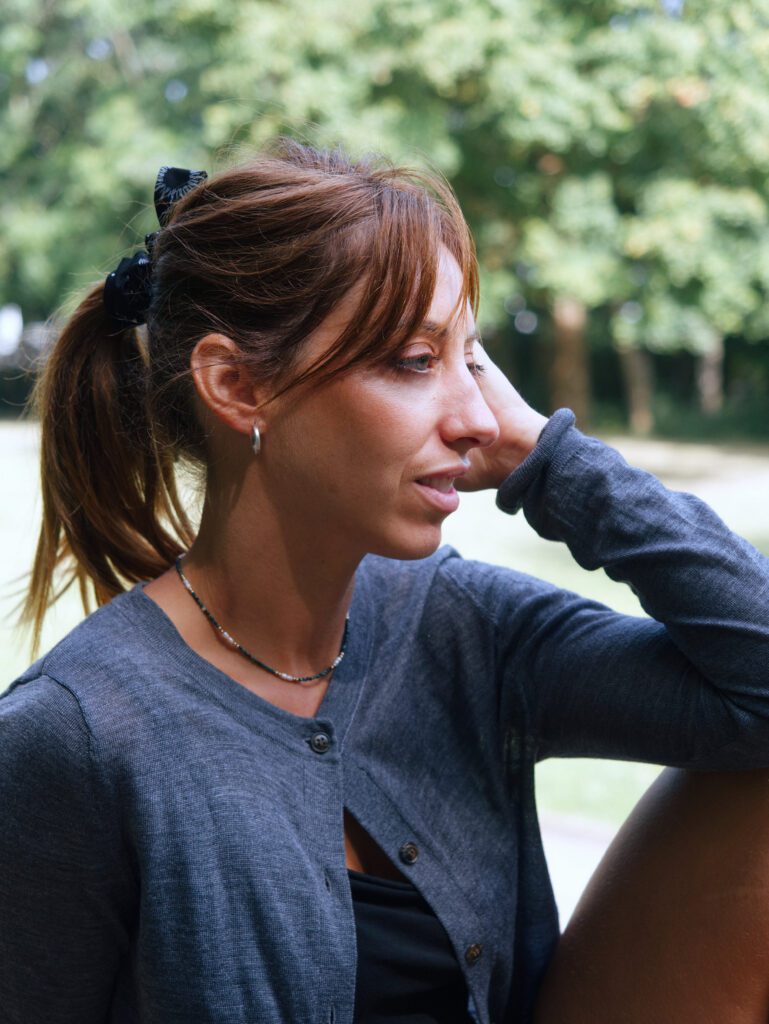
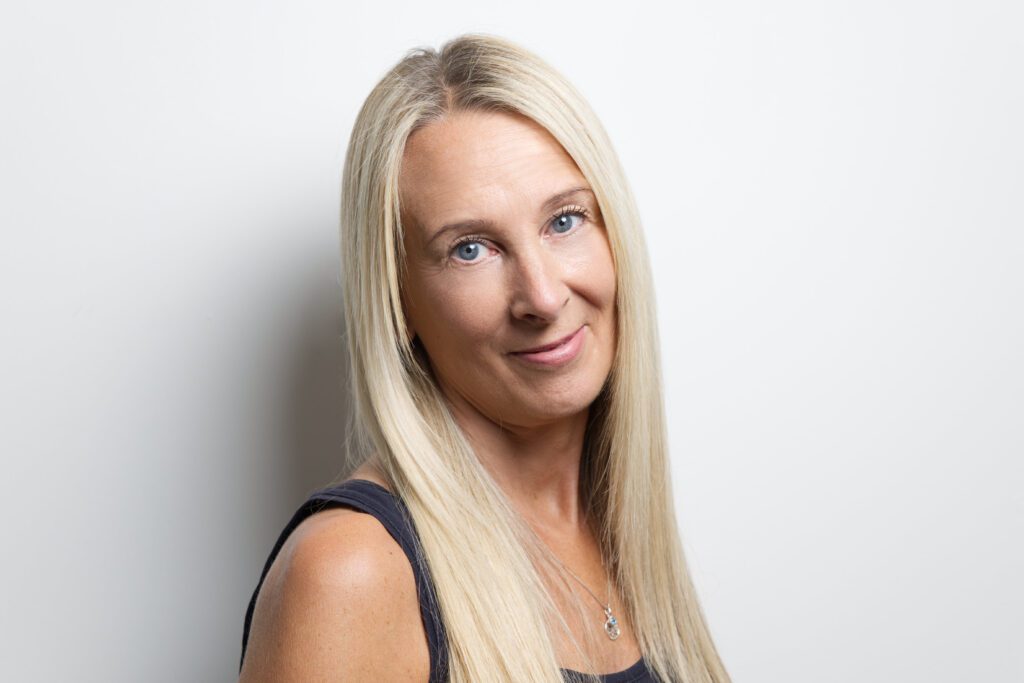
What I will always suggest is to make sure you are comfortable in whatever it is you are bringing. Try the clothes on a few days before your photoshoot. Move around. Sit down. Stand back up. If you feel the need to constantly adjust something or pull / tug, then don’t wear it.
Undergarments also need to be mentioned. Wear neutral-to-skin-tone items to prevent any translucent shirts causing trouble if the photoshoot is in a studio environment.
Your checklist also includes a few tips on hair and skin, so make sure you scroll back up and download it so you have it handy.
How to accessorize (or not) for your headshot session
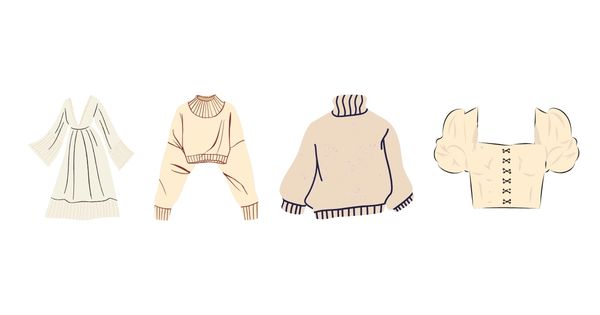
Since a headshot is usually cropped from the chest up, your neckline is the most important structural element of your outfit. Although, in recent years, photographers have become more relaxed around cropping and headshots can also refer to half body shots or more environmental portraits.
If you’re wearing a V-neck, it will elongate the neck and draw the viewer’s eyes to your face.
If you’re wearing a crew neck, it will make you look a bit more casual, approachable or even athletic or sporty.
If you’re wearing glasses in your day to day, by all means wear them at your shoot too. And don’t worry about glare, it’s something that your photographer will coach you through so it doesn’t show in the final images.
And last but not least, jewelry. Small and simple is preferable, and similar to logos, make sure they’re not pieces that can go out of fashion quite quickly.
What to keep in mind – final thoughts
How many outfits should you bring? That depends on the session type you selected. In my basic session I ask for just 1 outfit, but I can tailor the experience to your needs. If you’re an actor, the more outfits you bring, the better variety you will get in your final gallery.
Remember: if anything feels weird on your body, if you feel like you’re wearing a costume, it will show in your eyes and your attitude in front of the camera.
The better prepared you are, the more successful the shoot is going to be and the better you will look in your headshots.
There’s a saying where I come from that could be translated into “Clothes don’t make a man”. But what I believe is that they can make a headshot. Use your wardrobe wisely and it will serve you well.
